
Why is Everyone Moving South? Unlocking the Secrets of the No.1 Logistics Hub Johor
Johor’s industrial landscape is shifting fast. Why is Pengerang suddenly the new “it” spot? Explore how No.1 Logistics Hub Johor PIH is combining giant resources with global reach.
If you’ve been following the news or just talking shop with friends, you’ve probably noticed it too: Johor is trending again. And it’s not just about property in JB anymore. Business owners are watching where the next wave of industrial growth will land (No.1 Logistics Hub Johor).
With more attention on the Johor–Singapore Special Economic Zone (JS-SEZ), many companies are asking a practical question: where’s the best place to base operations if cross-border trade and regional expansion become the new normal? That’s why Pengerang keeps coming up in conversations—especially among firms that care about supply chain speed, export access, and long-term positioning.
Logistics in 2026: It’s Not Just “Warehouse Near Highway” Anymore -No.1 Logistics Hub Johor

Back then, a decent location meant one thing: a godown near a main road. Today, logistics is about responsiveness. Can you move goods fast and get materials reliably? Can you handle disruptions without everything falling apart?
Many established industrial areas are reaching their limits. Congestion, higher operating costs, and slower movement all add up. When time becomes money, businesses naturally start looking at alternatives that offer better flow and more room to scale. That shift is one reason more eyes have turned toward the eastern side of Johor.
Why Pengerang Feels Different -No.1 Logistics Hub Johor

Look at the map and the logic becomes clearer. Pengerang sits in a spot that links two major forces: a large industrial and energy ecosystem nearby, and Singapore’s role as a global finance and shipping center.
For certain industries, this geography creates real operational advantages. If your business depends on stable raw materials, shorter supply loops, or export speed, distance matters. When your inputs and your shipping routes are closer, you cut delay risk. You also reduce “hidden costs” like buffer stock, rush freight, and downtime caused by waiting on supply.
A Practical Advantage for Downstream and Industrial Support Players

This is where downstream petrochemical players, industrial services (like MRO), and some advanced manufacturing firms pay attention. They don’t just look at land price. They look at ecosystem access.
Pengerang’s strength is that the area supports cluster thinking. Companies can locate closer to key upstream activity, then move finished goods out through strong regional channels. That combination can improve lead times and make planning easier, especially when demand swings fast.
Connectivity That Supports Scale
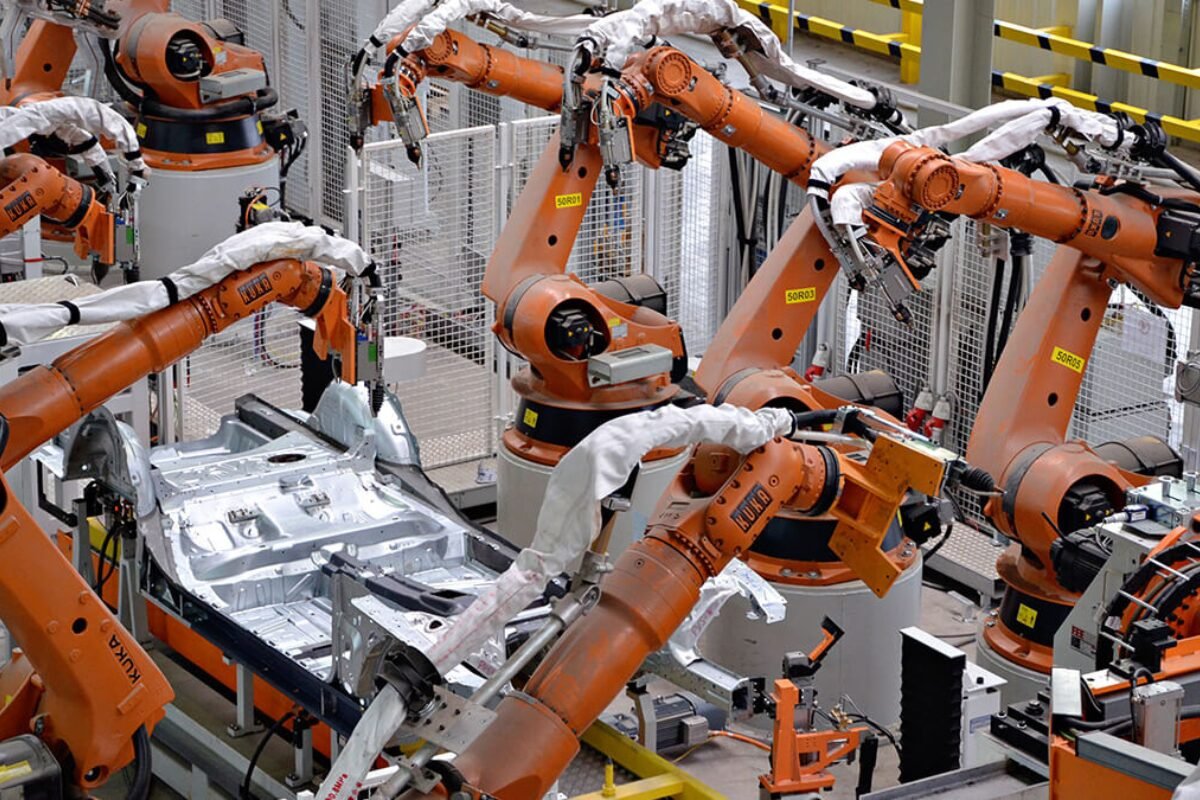
A strong industrial base needs more than roads. Modern operations need options. Sea links, highway access, and reliable logistics routing help companies stay flexible. If one route gets jammed, you switch. If one schedule shifts, you adjust. That’s how resilient supply chains work in real life.
This kind of connectivity also matters for investors. When a location supports efficient movement, it supports faster turnover. Faster turnover supports better ROI. Simple.
Why the “Singapore + 1” Play Keeps Growing
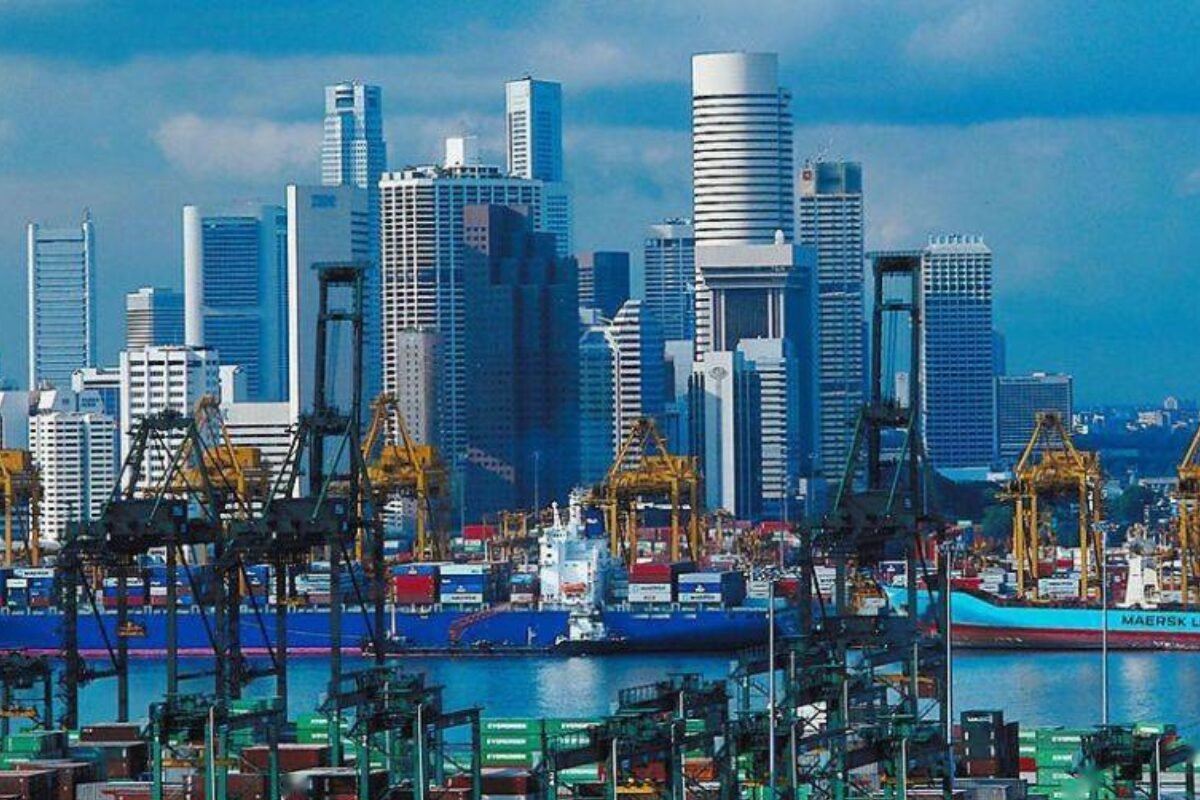
Many companies now use a clear structure: keep high-value functions in Singapore (finance, headquarters, R&D), and place large-scale operations where cost and space work better. Johor fits that role naturally.
For firms doing production, assembly, storage, or distribution, this setup balances reach and efficiency. You stay close to Singapore’s network, but you avoid Singapore’s operating cost burden. That’s why the “Singapore + 1” model keeps showing up in boardroom discussions.
Logistics in 2026: It’s Not Just “Warehouse Near Highway” Anymore
Securing Your Future at the No.1 Logistics Hub Johor
Malaysia’s industrial growth is becoming more strategic. The old method—grab any lot and figure it out later—doesn’t work as well anymore. Owners now choose based on access, flow, and long-term scalability.
If you’re planning expansion, the best move is to match location to your business type:
- Local distribution and domestic reach: mature hubs still work.
- Export-heavy, cross-border, or resource-linked operations: Johor’s newer growth areas can offer better leverage.
And if you’re serious, don’t decide from a screen. Go on the ground. Walk the site. Talk to operators nearby. That’s how you avoid a “looks good on paper” mistake.