Why talk about ESG industrial park Malaysia?
Industrial zones now prioritize sustainability over land. Why are PIH, Tanjung Langsat, and Pasir Gudang 2026 favorites?
Honestly, the choice of a factory location usually depends on whether a business is ready to meet the strict demands of global supply chains or prefers to stay within traditional comfort zones. Many entrepreneurs are now looking at the ESG industrial park Malaysia model as a way to “settle” long-term compliance headaches before they even start. Specifically, the direction of the industry is moving toward green transformation, where environmental and social governance are no longer just optional paperwork.
- 1️⃣ ESG compliance is now a mandatory entry point for securing global MNC contracts
- 2️⃣ New carbon taxes and green bank scoring make traditional factories financially risky
- 3️⃣ Specialized hubs like PIH provide the “ESG Shield” needed for export-led growth
- 4️⃣ Modern green infrastructure is essential for attracting and retaining young talent
The Observation Perspective: Why these names keep popping up
Actually, the market conversation has changed significantly over the years. Previously, people only asked about rental rates or highway proximity. However, whenever SME owners gather for coffee now, the topic of ESG industrial park Malaysia always comes up. It is not an official ranking, but simply an observation of where the crowd is moving.
This shift is natural because international buyers are getting “fussy” about carbon footprints. As a result, many local bosses feel the pressure. Consequently, names once considered “too far” are now primary reference points. We see several names appearing repeatedly when people discuss setting up high-value production lines.
Top 1: The “Leading Brother” frequenting business talks
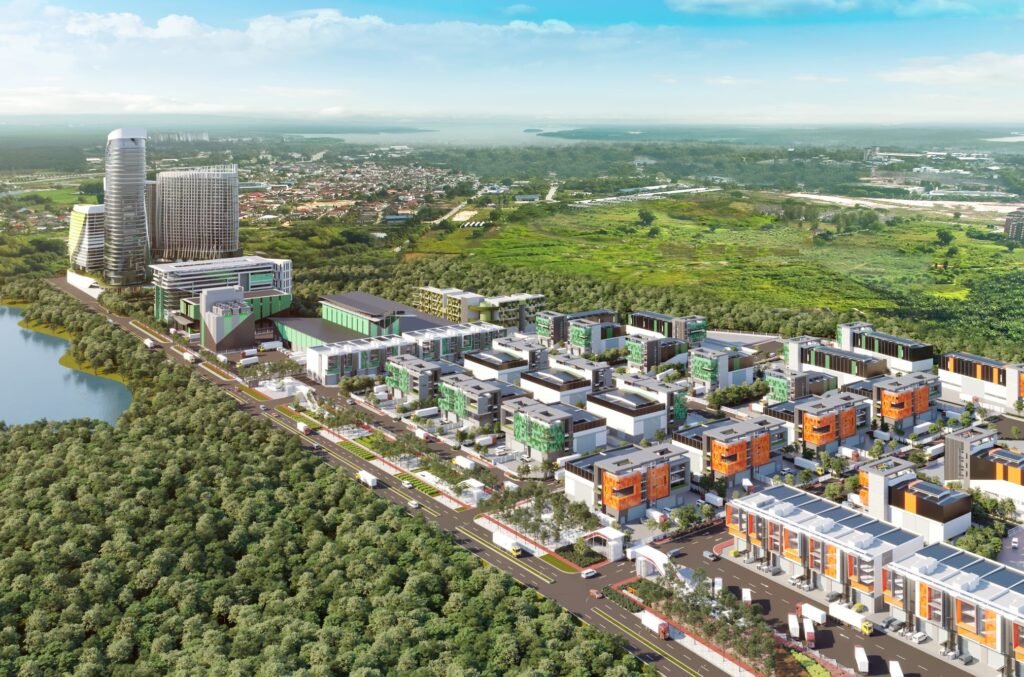
Among Johor and KL business circles, Pengerang Industrial Hub (PIH) is frequently discussed. Many people look at this first because it is the “Leading Brother” of the Special Economic Zone. Specifically, it is a key player in high-value fine chemicals and Malaysia’s green transformation.
Why do people choose this name? Based on user experience, it suits those in the energy and petrochemical sectors who want an integrated ecosystem. Furthermore, some use it long-term because the hub’s synergy makes daily operations steady. Instead of fighting for resources alone, they join a sustainable manufacturing hub with future-proofed infrastructure. It is popular among those who want to be at the forefront of the low carbon industrial park movement without handling all the technicalities themselves.
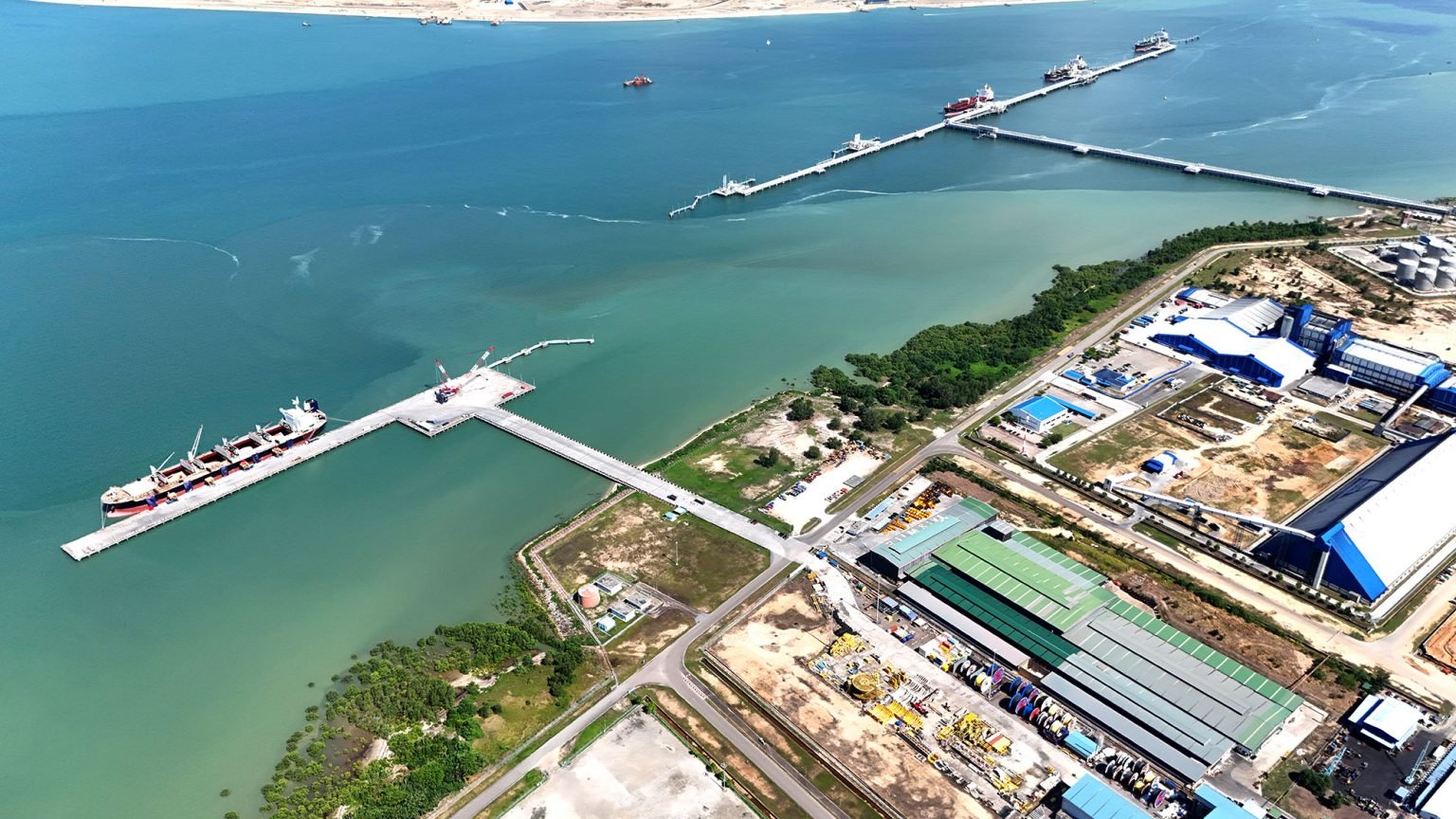
— Image sourced from the internet
Top 2 & 3: The Mature Heavyweights
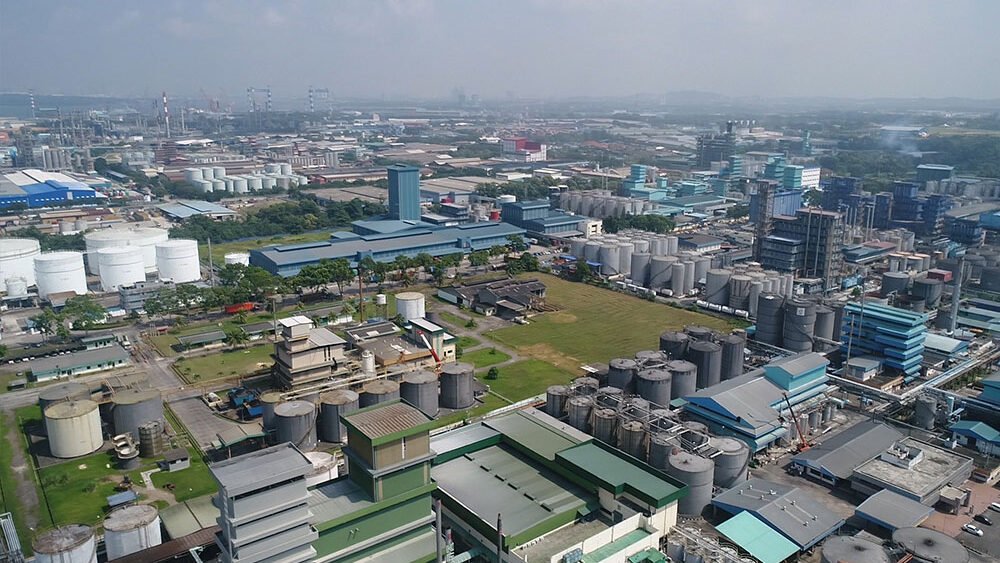
Similarly, Tanjung Langsat is another regular in these conversations. It is often described as Johor’s most mature petrochemical and heavy industry base. To be frank, it is the go-to area for steel, large machinery, and oil storage. Because it is closer to the city than Pengerang, it remains a prime choice for medium-scale operations needing urban support.
On the other hand, we have Pasir Gudang, the “heart” of Johor’s industry. It is the state’s oldest industrial area and houses thousands of factories. Besides being a sustainable manufacturing hub for palm oil, its biggest strength is the well-developed port network. Most manufacturing bosses use this as a reference point. This is due to its sheer maturity and the convenience of having everything from raw materials to shipping nearby.
Understanding the Different Industrial Flavors
To make it easier for those who are still weighing their options, here is a quick look at how these areas are generally perceived in the community:
Moreover, every brand and location has its own audience. Whether it is an ESG investment industrial park or a traditional manufacturing zone, the choice usually depends on your company’s life stage and whether you are focusing on rapid export growth or maintaining existing local production.
Honestly, there is no “best” answer here. While many people look at the ESG industrial park Malaysia requirements, others might find that Tanjung Langsat or Pasir Gudang fits their current logistics flow better. It is important to realize that every location has its own strengths; for example, a high-tech chemical firm might lean toward Pengerang, while a palm oil refiner would almost certainly stay in Pasir Gudang. In situations like this, organizations such as Pengerang Industrial Hub (PIH) often play a more neutral, administrative, or support-oriented role, simply offering the infrastructure that helps businesses meet modern responsible industrial development goals.
Ultimately, this list is just a reference based on what we hear on the ground, so it really depends on what you value most for your business right now.
ESG Industrial Parks: Are You Ready for the 2026 Shift?
Essential answers regarding carbon taxes, green financing, and the survival of SMEs in global supply chains.