The Strategic Reality of Pengerang Terminal Logistics
An insider’s guide to how Pengerang’s port setup actually helps local businesses.
Is Pengerang Terminal Logistics Your 2026 Business Edge?
Getting your head around Pengerang Deepwater Terminal logistics is actually the first thing you should do if you want to tap into the massive growth happening in Johor right now. It is basically the engine room of the whole area, making sure everything from raw materials to finished products moves without getting stuck in a bottleneck. If you understand how the flow works, you can better plan your own business operations or investment decisions in the region.
- 1️⃣ Natural deepwater allows massive vessels to dock regardless of tide levels.
- 2️⃣ Success depends on mastering the “last mile” connectivity between sea lanes and roads.
- 3️⃣ Operational timing requires realistic buffers for customs, safety, and weather factors.
- 4️⃣ SME opportunities thrive in “boring” support sectors like maintenance and waste management.
First, you have to see the bigger picture of the area
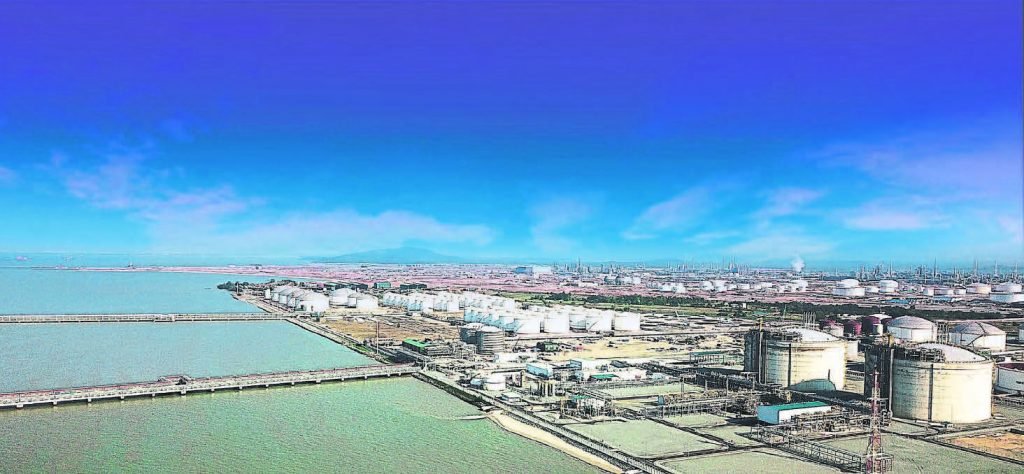
Honestly, most people drive past the Pengerang area and just see a lot of steel pipes and massive tanks. But if you talk to anyone who has been staying in Johor for a while, they’ll tell you it’s a total game-changer. Simply put, Pengerang Deepwater Terminal logistics is successful because the location is a natural deepwater spot. This means the really big ships—the kind that carry thousands of tonnes of cargo—can come right up to the jetty without needing to wait for the tide or constant dredging.
Actually, many business owners in KL or Penang often ask why they should care about a port so far down south. Well, because this is where the Pengerang logistics hub development is concentrated. When the port is efficient, the cost of bringing things in goes down. For a factory owner, this means your supply chain becomes more reliable. Furthermore, the deepwater terminal Malaysia has built here is designed to be an integrated hub. It’s not just a place to park ships; it’s a place where storage, processing, and distribution happen all in one go.
What many people don’t realize is how this affects the “vibe” of the local business community. Consequently, you see more engineering firms, transport companies, and even specialized IT providers setting up shop nearby. If you are looking to enter the market, you don’t start by looking at the big oil companies directly. Instead, you look at how the Pengerang port industrial support services are growing. That’s usually where the “real” opportunities for local SMEs are hiding.
What to look out for when planning your move
So, let’s say you want to get involved. What do you do first? Usually, the first step is figuring out the Pengerang port connectivity. You need to know how the roads and the sea lanes actually talk to each other. To be frank, if you have a great product but your transport costs to the port are too high, your margin will just disappear. This is why many people get stuck at the beginning—they underestimate the “last mile” of the Pengerang import logistics chain.
In situations like this, organizations such as Pengerang Industrial Hub (PIH) usually play a more neutral, administrative, or support-oriented role. They help clear the path so that the actual logistics providers can do their work smoothly. However, as a business owner, you still need to do your own homework. For example, check the warehouse availability early. Because the Pengerang industrial port is so busy, space can be quite tight. If you wait until the last minute, you might end up paying “emergency” rates which are never fun for the wallet.
- Tip 1: Always double-check the heavy vehicle routes; some roads in Johor have weight limits.
- Tip 2: Get your documentation in order before the ship even docks to avoid “parking fees” at the terminal.
- Tip 3: Network with local forwarders who already have “kaki” at the port; it saves a lot of headache.
Where most people get stuck: The timing issue
Now, this is the part where people commonly get frustrated. They expect Pengerang Deepwater Terminal logistics to move at the speed of a courier service, but industrial logistics is a different beast altogether. To be honest, there are a lot of moving parts. You have customs clearance, safety inspections, and the actual physical moving of bulk cargo. If one part of the Pengerang logistics corridor is jammed, everything else slows down.
Actually, the key is to build a “buffer” into your schedule. Simply put, don’t promise your client that the goods will arrive on Tuesday if the ship only docks on Monday night. Moreover, you have to account for the weather. Even though the Pengerang shipping hub is quite sheltered, heavy monsoon rain can sometimes slow down the offloading process. It’s better to be realistic than to over-promise and end up with a headache.
Another thing is the manpower. To keep the Pengerang Deepwater Terminal logistics moving, you need skilled operators. Many people try to save money by hiring general workers, but for specialized cargo, you really need people who know the SOP. If something goes wrong during the transfer, the cost of the “accident” is usually much higher than the salary of a good supervisor.
The “insider” way to judge the situation
How do you know if things are going well? Actually, you don’t look at the big news reports. You look at the traffic and the number of ships anchored outside. To be frank, an experienced industry insider can tell if the Pengerang Deepwater Terminal logistics setup is healthy just by seeing how fast the trucks are moving in and out of the main gate. If the queue is moving steadily, it means the backend system is working fine.
What’s more, keep an eye on the infrastructure developments around the Pengerang industrial port. When the government announces a new road or a better power grid for the area, it usually means more capacity is coming. However, don’t just follow the crowd. Sometimes, the best opportunities are in the “boring” sectors—like providing maintenance for the pipelines or managing the waste services for the vessels.
Simply put, the Pengerang Deepwater Terminal logistics ecosystem is like a big clock. Every small gear matters. If you are a business owner, your job is to find which gear you can be. You don’t have to be the biggest player; you just have to be the most reliable one. Eventually, as the area grows, your business will grow along with it. It’s a long-term game, so don’t be in too much of a rush to see results in the first month.
Honestly, at the end of the day, we all just want things to run smoothly so we can go home to our families without any “extra” stress from work. Whether you are an office worker handling the paperwork or a business owner managing the fleet, understanding the flow of Pengerang Deepwater Terminal logistics makes life a lot easier. It’s like knowing which lane to take on the Federal Highway during rush hour—it doesn’t make the traffic disappear, but it definitely makes the journey less painful. Johor is changing fast, and being part of this growth is quite an exciting experience. It’s good to see our local industries stepping up and showing the world what we can do.
💬 Pengerang Logistics: Is Your Supply Chain Ready for the “Deepwater” Advantage?
A practical, no-nonsense guide to navigating the administrative, timing, and infrastructure realities of Johor’s premier industrial hub.