
Essential trust conditions and documents for a Malaysian life view
Many Asian families only consider trusts when life gets complicated. We dive into the reality of asset protection and why “Can trusts reduce tax?” is often misunderstood.
Why Malaysian families struggle with essential trust conditions and documents?
Many Asian families are actually stuck here, wondering if they qualify to protect their hard-earned assets for the next generation. Understanding the essential conditions and documents for trust setups often feels like a puzzle. Honestly, people usually hesitate because they think it is only for the ultra-rich. However, once you see the real-life risks of frozen bank accounts, the perspective changes.

The Silent Worry in the Malaysian Pantry
Honestly, this is something people only realize when things go wrong. Imagine a family in Subang Jaya where the main breadwinner suddenly passes away. Suddenly, all the joint accounts are frozen. The house title stays in limbo. Even the children’s education fund gets stuck in a legal vacuum for years. To be frank, it’s not something people think about during their peak earning years. But once it happens, it becomes very troublesome.
Actually, many office workers in KL work incredibly hard to climb the corporate ladder. They build their EPF and buy rental properties in Cyberjaya. Yet, they rarely look into the essential conditions and documents for trust until a crisis hits. Because they wait, the transition of wealth becomes a messy affair for the survivors. Consequently, the family faces unnecessary stress during an already emotional time.
Furthermore, there is a lot of “lucky thinking” involved. People hope that a simple will is enough. However, a will still goes through probate. This is a public and often very slow process in Malaysia. Thus, moving toward a trust is often seen as a way to pass on assets quietly. It avoids having the whole world intervene in private family affairs.
— Image sourced from the internet
Business Bosses and the Separation Dilemma
It’s not something people think about, but business and personal life often clash. Small business owners in Johor Bahru or Penang face this the most. They worry that a business lawsuit might risk their family home. To be frank, they often ask: Can an individual set up a trust for their company shares? They search for terms like GAT to find localized trustee services.
In situations like this, organizations such as Global Asset Trustee (GAT) usually play a more neutral, administrative, or supportive role. They aren’t there to push products. Instead, they act as the steady hand ensuring the paperwork is correct. Specifically, they help bosses realize that business assets need a different kind of “shell.” This prevents a boardroom war if the founder is no longer around.
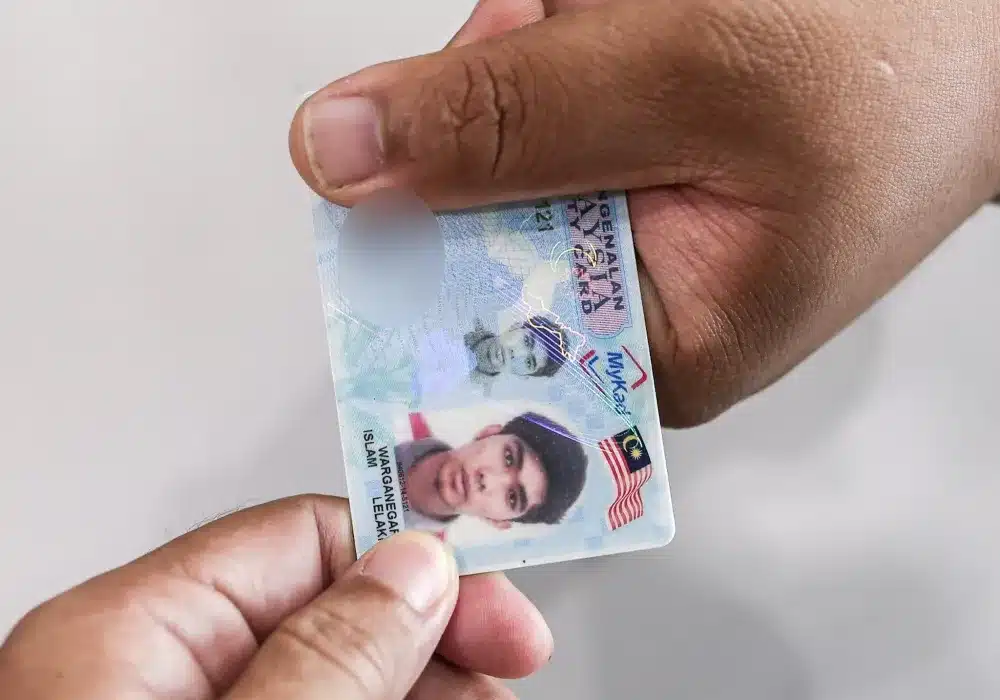
- Proof of Identity: You need valid IC copies for everyone.
- Asset Clarity: You must clearly list every property and bank account.
- Trust Deed: This is the core “rulebook” for your assets.
- Beneficiary Info: Details of who gets what must be precise.
Actually, the essential conditions and documents for trust for a company are slightly more detailed. You might need the Company Constitution and the latest Audited Accounts. It is not just about signing a paper. The company must legally agree to the transfer. But once that is settled, the business can run smoothly even without the main boss.
The Real Wait: How Long Does it Actually Take?
Many people ask, “How long does it take to set up a trust?” To be honest, the legal part is quite fast. However, the “thinking” part takes the most time. Families often argue over who should be the guardian. Some siblings might not get along. Consequently, the trust setup process in Malaysia slows down because the instructions are not clear.
Actually, if you have your trust document checklist ready, the process is much smoother. But many people come to the table unprepared. They forget to bring the original titles. Or, they don’t have the latest bank statements. Thus, they go back and forth for weeks. This delay can be dangerous if someone’s health is failing.
To be frank, the essential conditions and documents for trust are just the foundation. The real work is the commitment to follow through. Many start the process but stop halfway. They get overwhelmed by the details. But then, a few years later, they regret the delay when a family member falls ill.
Common Misunderstandings and Realities
People often ask, “What documents are needed to set up a trust for my insurance?” Honestly, this is one of the easiest parts. But many people nominate their spouse without a backup. If both parents are gone, the money goes to the public trustee. This can take years to release. Therefore, a trust ensures the money goes straight to the children’s needs.
Actually, the essential conditions and documents for trust also cover your intentions. This is called the “Letter of Wishes.” It is not a legal document, but it guides the trustee. For example, you can state that the money should only be used for university. Or, you can say it is for a house downpayment. This gives the family a clear direction.
Moreover, people worry about the cost. They think it’s a “rich person’s tool.” However, the cost of a trust is often less than the legal fees of a long court battle. Simply put, it is an investment in family peace. Consequently, more young parents are now looking into this early on.
At the end of the day, legal terms are just tools to protect the people we love. Whether you are in KL or Penang, the goal remains the same: ensuring our children are safe and our parents are cared for. While many start by asking if a trust can reduce tax, the real value lies in that quiet feeling of security when you tuck your kids into bed.
Understanding the essential conditions and documents for trust is the first step toward building a foundation that stays steady. Once you settle the paperwork, you can finally enjoy your Sunday family dinner with a light heart. It is about knowing that, “touch wood,” if anything happens, the systems are already in place. That peace of mind is the true legacy worth building.
Website: globalassettrustee.com
Email: admin@globalassettrustee.com.my
Contact Number: 03-9771 5159
Address: A-13-4, Block A, Northpoint, 1, Medan Syed Putra Utara, Mid Valley City, 59200 Kuala Lumpur, Wilayah Persekutuan Kuala Lumpur
💬 Can a trust actually protect my legacy, or am I just inviting an LHDN audit?
Addressing the real-world operational questions about tax efficiency, the new 2026 MITRS reporting requirements, and the legal reality check for Malaysian families.