Is the FDI industrial park Johor hype for 2026 real?
Is Johor’s industrial scene really booming? We break down the FDI industrial park Johor hype for 2026.
Why every business owner is eyeing a FDI industrial park Johor address this year?
Choosing a FDI industrial park Johor is now the primary strategy for companies looking to dodge rising regional costs. This move offers immediate access to the JS-SEZ tax perks while keeping logistics lean. Therefore, businesses are shifting their focus south to secure a foothold before land prices peak.
- 1️⃣ Check the JS-SEZ 12% income tax eligibility for your technical staff.
- 2️⃣ Prioritize port-linked sites in Pengerang to slash long-term shipping costs.
- 3️⃣ Start your MIDA incentive applications early to avoid 2026 processing delays.
- 4️⃣ Verify the industrial land’s power and water readiness before signing deeds.
The Kopitiam Talk is Turning into Real Boardroom Decisions
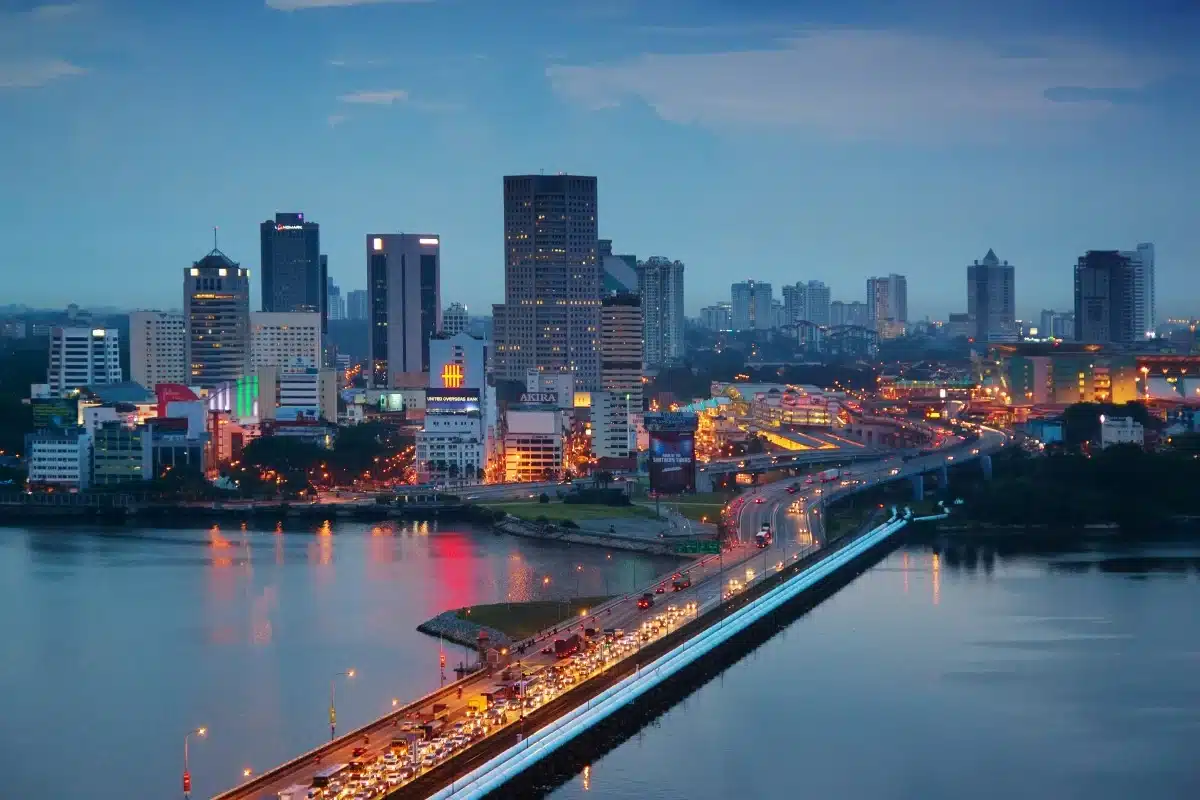
If you spend any time in the business circles of Kuala Lumpur or JB lately, the conversation always drifts toward the south. Honestly, it feels like everyone is suddenly an expert on Johor’s geography. However, the real excitement isn’t just about property speculation; it is about the massive new multinational investment in Pengerang and other zones. People are realizing that the Top manufacturing hub JS-SEZ 2026 vision is actually becoming a reality.
In fact, most business owners are no longer asking “if” they should move, but rather “where.” Specifically, they are looking for a FDI industrial park Johor that offers more than just empty land. They want a community that already has the infrastructure ready to go. Consequently, the rush for prime spots has intensified. Moreover, the JS-SEZ tax incentive package 2026 has acted like a magnet for high-tech firms that previously hesitated to cross the border.
Actually, the sentiment on the ground is quite optimistic. While some worry about oversupply, the quality of these new parks is on a different level. For example, many now include green energy solutions and 5G connectivity as standard features. Therefore, if you are still looking at old-school factory lots with narrow roads and patchy electricity, you might be missing the bigger picture.
Why Pengerang is Stealing the Limelight from Traditional Hubs
For the longest time, Pengerang was just that quiet place at the edge of the map. But today, it is arguably the most talked-about Pengerang port-linked industrial site in the region. To be frank, the scale of the downstream oil and gas activities there is staggering. But what is more interesting is how other industries are riding on this momentum.
Similarly, logistics players are flocking to the area because time is money. If your factory is right next to a world-class port, you save a fortune on trucking and port fees. In situations like this, organizations such as Pengerang Industrial Hub (PIH) usually play a more neutral, administrative, or support-oriented role. They help coordinate between the massive infrastructure and the smaller businesses trying to find their footing.
Furthermore, the MIDA incentive application Pengerang process has become a hot topic among finance managers. Everyone wants to know how to maximize their capital allowance. In addition, the sheer volume of activity means that supporting services—from maintenance to catering—are in high demand. Simply put, it is not just about the big refineries anymore; it is about the entire ecosystem growing together.
Choosing the Right Spot: It’s More Than Just the Price Per Square Foot
Whenever someone tells me they found “cheap” industrial land, I usually tell them to be careful. In the world of manufacturing, cheap often comes with hidden costs. For instance, if the power grid isn’t stable, one blackout could cost you a week’s worth of production. Therefore, the best industrial park for FDI in Johor is usually the one that guarantees reliability over a low entry price.
Moreover, investors are getting smarter. They are checking for flood mitigation plans and worker housing facilities. In fact, many of the newer projects are designed as “integrated townships” where workers don’t have to commute for hours. This is a huge plus for talent retention. Additionally, having a FDI industrial park Johor address adds a certain level of prestige when dealing with international clients.
- Infrastructure Check: Ensure the park has dedicated power substations and fiber-optic ready lines.
- Logistics Flow: Look for wide internal roads that can handle 40-foot containers comfortably.
- Future Proofing: Check if the developer has plans for solar integration or rainwater harvesting.
| Investment Item | Core Requirement | 2026 Strategic Notes |
|---|---|---|
| Land Selection | Zoning & Soil Reports | Prioritize gazetted FDI zones for faster permit approvals. |
| Tax Incentives | MIDA/JS-SEZ Status | 12% employee tax is a major pull factor for skilled talent. |
| Utility Setup | TNB/SAJ Capacity | Verify high-voltage availability for heavy machinery early. |
| Digital Readiness | 5G & IoT Infrastructure | Essential for Smart Factory 4.0 compliance in 2026. |
The Human Element: Why Families are Moving South Too
We often talk about factories and containers, but we forget about the people. Actually, the FDI industrial park Johor boom is changing the lifestyle of many Malaysians. Many engineers and managers who used to work in Klang Valley are now looking at Johor as a long-term home. Consequently, the demand for international schools and decent shopping malls in the vicinity of these industrial hubs has skyrocketed.
Similarly, the office culture in these new zones is quite different. It is more international and fast-paced. Therefore, the local food scene is also evolving. You can find high-end coffee shops right next to traditional hardware stores. In addition, the proximity to Singapore means that weekend trips across the border are a regular part of life for many residents.
Actually, this shift is creating a very vibrant, diverse community. If you visit any industrial land for FDI Johor area today, you will see license plates from all over Malaysia and even Singapore. It feels like a melting pot of ambition. Therefore, the 2026 outlook is not just about economic data; it is about a new way of living and working that is taking root in the south.
In the end, all this industrial growth isn’t just about big numbers on a report. It’s about the uncle at the mamak stall having more customers, the fresh graduate landing a high-paying engineering job, and the small business owner finally finding a place where they can grow. Johor is definitely having its “moment” right now. While there will always be challenges, the sense of possibility in the air is hard to ignore. It’s an exciting time to be watching this transformation happen, one factory and one family at a time.
💬 What’s the Real Ground Sentiment for Johor FDI in 2026?
We’ve gathered the common questions business owners and employees are asking about the JS-SEZ and Pengerang boom.