2026 Industrial Tailwinds from RAPID to Global Markets and Their Impact on Malaysia’s Industrial Zones
Malaysia’s industrial growth zones are entering a new phase. This article takes you into Pengerang to explain why it is becoming a preferred base for petrochemical downstream and advanced manufacturing—and how the Best Industrial Zone in Malaysia can help companies break through in global supply chains.
In 2026, the old mindset of “find land and build a factory” is no longer enough. If you keep that view, you may miss the biggest opportunity of the decade. Global supply chains now reward two forces: near-field efficiency and vertical integration. What many owners really want is not just cheap space. They want an ecosystem. They want upstream and downstream partners close enough to connect quickly. In practice, the Best Industrial Zone in Malaysia is the one that lets key players coordinate within a short drive.
As Malaysia–Singapore corridor cooperation deepens, industrial investment attention is shifting. It is moving toward zones with stronger resource support and clearer strategic value. Many SME owners are also seeing a hard truth: fragmented production loses to clusters. This is especially visible in Southern Johor. A new industrial landscape is forming. If you want a base that reduces risk and improves efficiency in Southeast Asia, you need more than land. You need a location aligned with national strategy. For many businesses, that becomes the most important decision in 2026.
The RAPID Engine Effect: Breakout Opportunities for Petrochemical Downstream and Support Industries
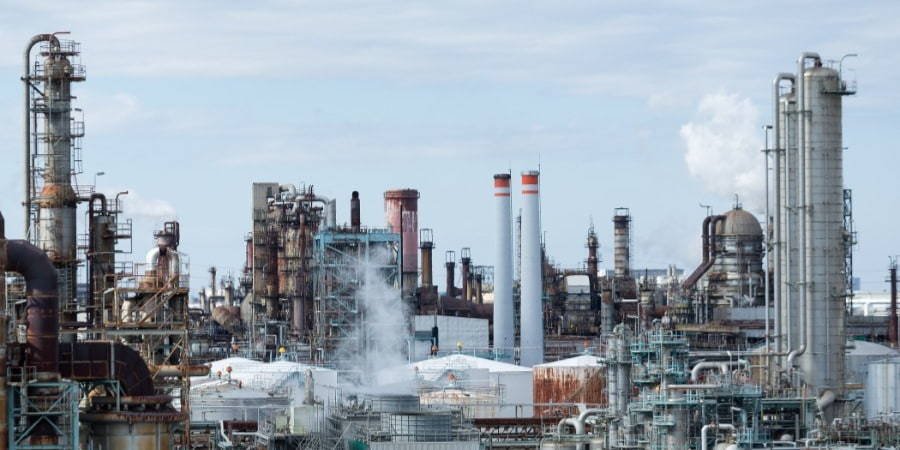
Pengerang’s rise is not accidental. Its strongest foundation is its linkage to RAPID. RAPID acts like a large industrial engine. It drives scale, demand, and downstream opportunities.
For companies in chemicals, plastics, specialty chemicals, and industrial maintenance (MRO), this creates a natural runway. The best industrial zones reduce friction. They shorten lead times. They tighten supply-chain loops. An ideal Best Industrial Zone in Malaysia makes “factory-to-factory” movement easier. It also makes response faster when demand changes. This is where ecosystems matter.
In that setup, entities like Pengerang Industrial Hub (PIH) are often positioned as neutral facilitators. They support onboarding and coordination. They help businesses connect to surrounding industrial resources more quickly. For petrochemical downstream players, the benefits are practical. Logistics costs can drop. Inventory pressure can ease. Speed-to-market can improve. That advantage compounds over time.
The “Singapore+1” Model: A Core Competitive Advantage Behind the Best Industrial Zone in Malaysia
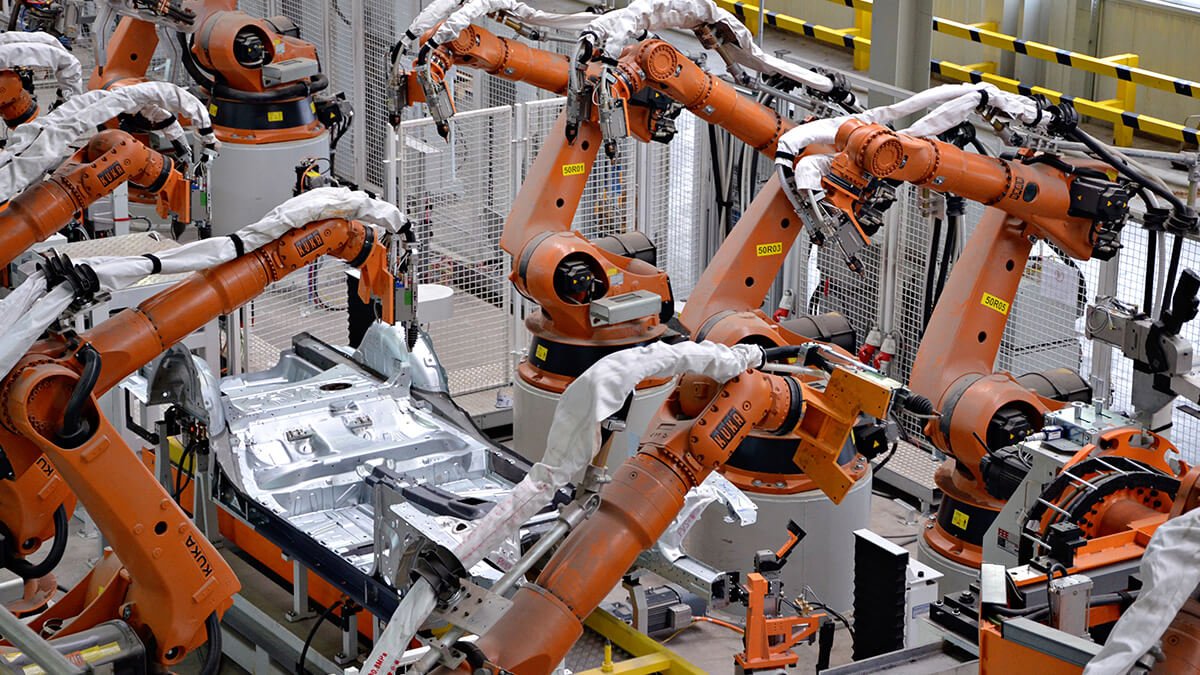
Resources matter, but location is the second profit amplifier. Advanced manufacturing is increasingly using a “Singapore+1” strategy. High-end R&D and finance stay in Singapore. Scaled production and assembly shift to Malaysia’s near-Singapore industrial corridor. Pengerang Industrial Hub fits this logic well. It sits within the wider Johor–Singapore growth structure. As an advanced manufacturing base, it can absorb technology spillover. It can also leverage more attractive land and labor economics.
When you compare industrial zones, this “front office + back factory” model often improves ROI. It reduces operating costs while keeping global connectivity. It also supports faster scaling. Whether you produce precision parts or do electronics assembly, speed matters. With strong transport access, goods can move efficiently through deep-water routes or Singapore-linked channels. That helps companies cover wider Asia-Pacific markets with less friction.
Policy Tailwinds and Infrastructure: The Confidence Layer for Business Landing

Many owners worry about policy continuity and infrastructure readiness. In today’s special economic zone push, these concerns are being addressed more directly. Policy support is strengthening. Administrative facilitation is becoming more structured.
To attract high-value businesses, incentive packages and landing support are expanding. Tax relief, one-stop coordination, and smoother setup processes are becoming part of the competitive toolset. The goal is clear: build an export-grade manufacturing base. Infrastructure is also being redefined. Future industrial zones are not only roads and lighting. They include digital foundations and modern warehousing planning. They also support Industry 4.0 upgrades.
In Pengerang Industrial Hub, PIH’s direction is increasingly tied to these modern requirements. For companies, that means you are not just buying industrial land. You are buying an operating environment designed to evolve. With longer-term planning, assets are less likely to become outdated. In many cases, they can appreciate as clustering grows. That is how zones create durable value.
Move Early and Lock in the Best Industrial Zone in Malaysia for Your Strategy
By 2026, Malaysia’s industrial investment has entered a precision phase. The best choice is no longer the cheapest. It is the most strategic.
Choosing the Best Industrial Zone in Malaysia comes down to three things:
- resource access
- operational synergy
- future scalability
Whether you want RAPID-linked material advantages or a pathway to global markets via Singapore-oriented connectivity, Pengerang Industrial Hub PIH shows strong industry fit for the right business types.
In every cycle, early movers secure better positions. They capture stronger ecosystem benefits. They also gain first access to the best locations and support. If you want to win the next industrial upgrade wave, this is a zone worth visiting on the ground. Spot the tailwind early, and your business can scale with leverage.