
Court Says No: Najib Must Remain Behind Bars
The court dismissed Najib’s bid for house arrest.
Former Prime Minister Najib Razak’s Judicial Review Application Dismissed in Kuala Lumpur
Kuala Lumpur, Dec 22 — The High Court today dismissed former Malaysian Prime Minister Datuk Seri Najib Razak House Arrest’s application for judicial review seeking to serve the remainder of his prison sentence under house arrest. The ruling means Najib will continue his incarceration at Kajang Prison in Selangor. The judicial review involved significant respondents including the Home Minister, the Prisons Department director-general, the Attorney General, the Federal Territories Pardons Board covering Kuala Lumpur, Labuan, and Putrajaya, as well as officials from the Prime Minister’s Department.
Key Developments Leading to the Court’s Decision and Courtroom Proceedings
Najib first filed the application for leave on April 1, 2024, aiming to verify whether a purported addendum to the royal pardon granted by the then Yang di-Pertuan Agong, Sultan Abdullah. Allowed for Najib to complete his sentence under house arrest. This followed an affidavit submitted by his son, Datuk Mohd Nizar Najib, on December 5, 2024. Claiming the existence of such an addendum. Attorney General Tan Sri Mohd Dusuki Mokhtar acknowledged the alleged addendum but challenged its authenticity and legal bindingness. Since August 23, 2022, Najib has been serving a 12-year prison sentence and a RM210 million fine for misappropriation of RM42 million from SRC International Sdn Bhd. A conviction upheld by Malaysia’s highest courts. Najib’s royal pardon application submitted in September 2022 resulted in the Pardons Board halving his sentence to six years. Reducing the fine to RM50 million on February 2, 2024. Najib’s legal team subsequently sought judicial review leave after the Kuala Lumpur High Court initially dismissed it on July 3, 2024. Followed by a partial success at the Court of Appeal and further legal proceedings culminating in the current High Court hearing presided over by Justice Datuk Amarjeet Singh.
The Court’s Rationale and Official Observations Regarding the Royal Pardon Process
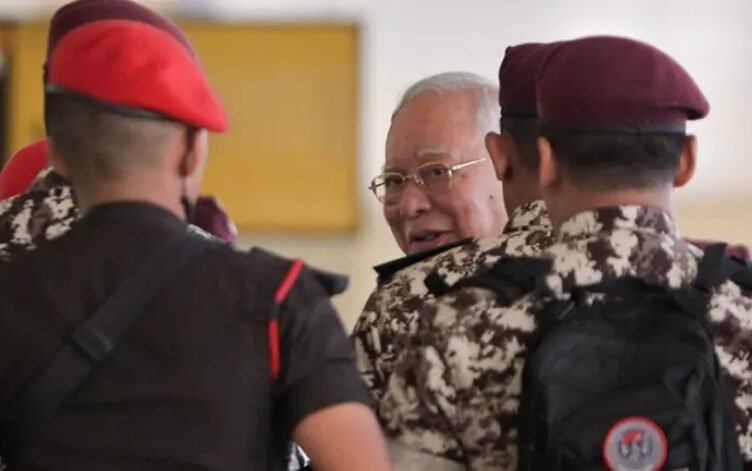
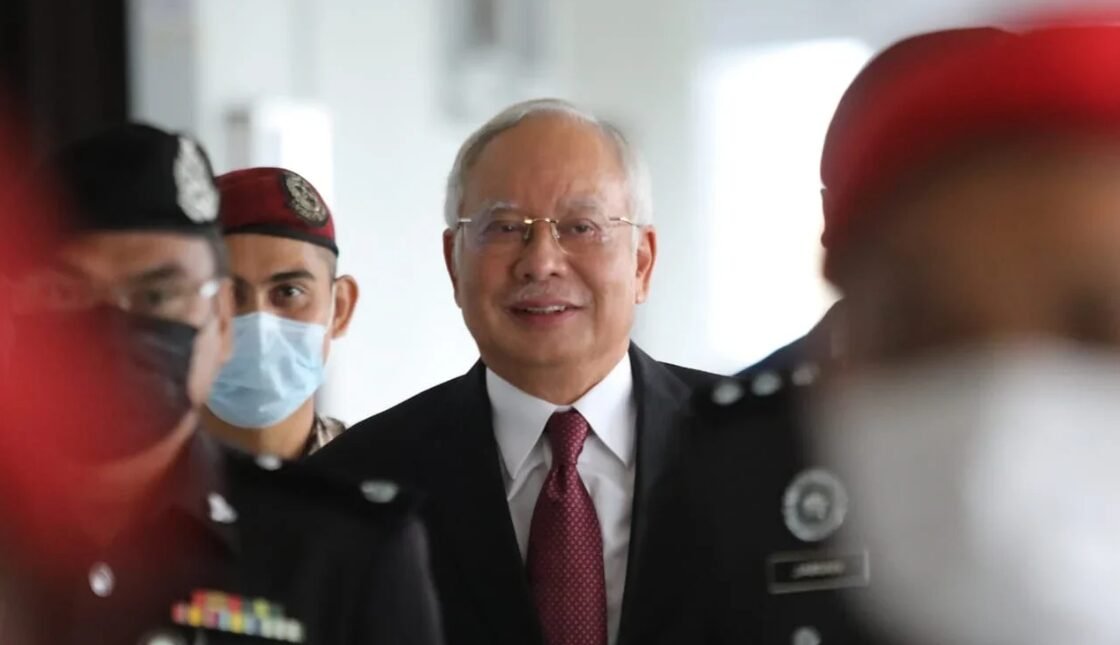
Justice Datuk Amarjeet Singh stated that under Article 42 of the Federal Constitution. Any final decision relating to a royal pardon must be made in the presence. Under the chairmanship of the Yang di-Pertuan Agong. The judge underscored that this constitutional stipulation is mandatory and not merely procedural. It was clarified that the 61st meeting of the Pardons Board, convened on January 29, 2024. Chaired by Sultan Abdullah. Approved only the reduction of Najib’s sentence and that no addendum authorising house arrest was formally sanctioned during that session. Following the court’s verdict, Najib was reported to have engaged in discussion with his legal team. Was seen with family members including his wife Datin Seri Rosmah Mansor and children at the courthouse in Kuala Lumpur.
Public and Social Media Responses to the High Court Decision
The High Court ruling has generated considerable discourse on social media platforms and among legal observers in Malaysia. Public commentary has ranged from discussions on the constitutional interpretations cited by the judge. Analyses of royal pardon procedures within Malaysia’s legal framework. Legal experts suggest that the case highlights procedural rigor in the pardoning system and affirms judicial independence in addressing high-profile legal matters. Meanwhile, coverage in mainstream media provides factual reporting of legal arguments and court outcomes without editorial bias. This case remains a focal point in ongoing conversations about governance, institutional reform, and the intersection of law and politics in the country.
Expected Effects on Legal Processes and Administrative Protocols Moving Forward
In the short term, the High Court’s refusal to grant house arrest is likely to result in Najib continuing to serve his sentence under existing prison regulations. With implications for legal strategies in high-stakes judicial reviews. From an administrative perspective, the ruling affirms established processes in royal pardon considerations. May influence future procedures within the Pardons Board. Additionally, the verdict could impact public confidence and legal discourse concerning the transparency and constitutional compliance of clemency mechanisms. Over the longer term, ongoing legal scrutiny and potential appeals are expected to shape the development of jurisprudence. In matters involving constitutional provisions and executive clemency in Malaysia.