Over €1 Billion in France Farmer Aid Announced as Summer Crop Losses Surpass €10 Billion
France announces €1 billion in emergency farmer aid following record summer drought. Crop losses exceed €10 billion as heatwaves devastate agriculture across the EU’s largest farm producer.
SEO Title: France Farmer Aid | €1B Relief Package After Record Drought
Deck: France’s agriculture ministry announced more than €1 billion in farmer aid on Friday, covering weather-damaged crops, pastures and water supplies across the EU’s largest farm producer, as estimated losses from the 2026 summer season already exceed €10 billion.
Paris Moves on Agriculture Relief as Record Heatwaves Leave Farmland Parched
France announced more than €1 billion — approximately US$1.16 billion — in emergency agriculture relief on Friday, targeting farmers hit by record heatwaves and prolonged drought that have damaged crops, scorched pastures and strained water supplies across the country. The France farmer aid package was unveiled by Agriculture Minister Annie Genevard, who characterised the allocation as “a massive effort given the current budgetary context,” speaking directly to reporters in Paris.
The announcement arrives at a politically sensitive moment. The French government is simultaneously navigating the construction of a budget for 2027 — an election year — with Paris committed to containing the national deficit ahead of the presidential race. The convergence of fiscal restraint and an accelerating agricultural crisis has made the relief package one of the more consequential domestic decisions of the current government term.
France’s main farmers’ union, the FNSEA, has estimated that agricultural production losses this summer will surpass €10 billion in total, with more than €5 billion already attributed to the livestock and crop sectors combined. A further heatwave is forecast to move through France this week, raising concern that the damage tally is not yet final.
With Temperatures Still Rising, the Damage Count Is Already in the Billions
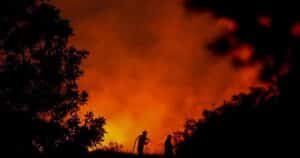
With another heatwave bearing down on the country, France’s agricultural sector is already absorbing losses that industry groups describe as generational in scale.
The FNSEA’s assessment — placing summer losses north of €10 billion — is not a projection but a mid-season reckoning. Fields that would ordinarily carry grain, sunflowers or fodder crops have been left desiccated by back-to-back heat events. Livestock farmers, dependent on pasture and stored feed, have faced parallel pressure: grass cover has failed in many regions, and water access for both irrigation and animal husbandry has been constrained.
This is not a simple compensation package. What the French government has assembled is a multi-layered intervention: an emergency payment mechanism, a local recovery fund, fiscal relief instruments, and social protection support for farm operators and workers caught in the disruption.
The structural breadth of the programme reflects official recognition that weather-related agricultural damage — drought damage to French agriculture specifically — is no longer a seasonal anomaly but a recurring systemic pressure that existing insurance and support frameworks are insufficient to absorb alone.
From Rapid Payments to Fuel Subsidies, the Full Scope of the Relief Programme
The €1 billion France farmer aid package is divided across several distinct instruments, each targeting a different layer of the crisis facing agricultural producers.
The single largest allocation — €520 million — is earmarked for rapid direct payments to farmers who have suffered verifiable weather damage. Agriculture Minister Annie Genevard confirmed this figure publicly on Friday, positioning speed of disbursement as a deliberate design feature: farmers who have already absorbed losses need liquidity, not deferred compensation.
Beyond the direct payment tranche, the package introduces a local recovery fund intended to help farms restock essential inputs after drought conditions have depleted existing supplies. The fund is structured to cover seeds, plant material, and animal feed — the three input categories most immediately affected when a season’s harvest fails or when pasture collapse forces emergency restocking.
Additional measures within the programme address the indirect financial strain on farm operators. These include:
- Land-tax relief, reducing fixed holding costs for farms operating at reduced productivity
- Help with social-security payments, easing the employer-side burden on farms that continue to employ agricultural workers through a poor season
- Fuel subsidies, targeting the operational cost of machinery and haulage on farms where reduced output has compressed margins
Together, the instruments are designed to cover both the immediate cash-flow gap and the medium-term input cost of returning damaged land to production. The local recovery fund component, in particular, acknowledges that drought damage to French agriculture is not confined to a single harvest but extends into the following season’s planting capacity.
Behind the €1 Billion Figure Is a Deficit-Constrained Budget in an Election Year
The choice of scale — and the political difficulty of that scale — is itself a strategic decision worth noting.
France’s government is finalising its 2027 budget under active pressure to keep the national deficit within acceptable bounds ahead of a presidential election in which fiscal credibility will be a campaign issue. Against that backdrop, a €1 billion intervention in a single sector represents a departure from the consolidation posture Paris has publicly maintained.
Agriculture Minister Genevard’s framing — “a massive effort given the current budgetary context” — is a deliberate acknowledgement of that tension. The government is not claiming the package is costless or straightforward. It is claiming that the scale of the crisis, as measured by the FNSEA’s €10 billion-plus loss estimate, leaves the government with limited room for a smaller response.
Sourcing materials from the ministry’s announcement place the total commitment at more than €1 billion, with the official external figure standing at “over one billion euros.” The rapid-payment component of €520 million is confirmed. The scope and timing of the local recovery fund disbursements are still being operationalised at the time of reporting.
Public information confirms the package is driven by the French agriculture ministry under Minister Annie Genevard, with the FNSEA — France’s largest and most politically influential agricultural union — providing the external loss estimates that framed the government’s calculation. Whether the package will expand if the incoming heatwave compounds existing losses remains an open question.
Frequently Asked Questions About France Farmer Aid
How much aid has France announced for weather-hit farmers? France announced more than €1 billion — approximately US$1.16 billion — in farmer aid on Friday, targeting agricultural producers affected by record heatwaves and drought during the 2026 summer season.
What is the largest single component of the France farmer aid package? The largest single component is €520 million allocated for rapid direct payments to farmers who have suffered documented weather damage, designed to deliver liquidity quickly rather than through a delayed claims process.
What does the local recovery fund within the France farmer aid plan cover? The local recovery fund is structured to help farms purchase seeds, plant material and animal feed after drought conditions depleted existing supplies — addressing the input cost of returning damaged agricultural land to production in the following season.
What other measures are included in France’s agricultural relief package beyond direct payments? In addition to the €520 million rapid-payment fund, the package includes land-tax relief, assistance with social-security contributions for farm operators, and fuel subsidies targeting machinery and transport costs on affected farms.
How large are the estimated agricultural losses in France this summer? France’s main farmers’ union, the FNSEA, estimates that total agricultural production losses for the 2026 summer season will surpass €10 billion, with more than €5 billion already attributed specifically to the livestock and crop sectors.
Why did the French government announce the aid package now? The government moved on the package after record heatwaves and prolonged drought caused major damage to crops, pastures and water supplies. A further heatwave is forecast for France this week, indicating that conditions driving the losses have not yet stabilised.
Is France expected to face further heatwaves after this announcement? Yes. As of the time of the Friday announcement, meteorological forecasts indicate another heatwave is expected to move through France during the same week, raising the possibility that the current €10 billion loss estimate will increase before the summer season concludes.
What the Package Signals — and What Remains Unresolved
France’s decision to commit more than €1 billion in direct and structural relief to its agricultural sector reflects an official assessment that the scale of drought damage to French agriculture in 2026 exceeds what existing frameworks can absorb without active government intervention. The FNSEA’s figure of more than €10 billion in losses — spanning crops, pasture and livestock — provided the external data the government needed to justify a package that sits uncomfortably against an otherwise consolidation-focused budget.
The €520 million rapid-payment mechanism, the local recovery fund, and the associated tax and social-security relief measures together constitute the most comprehensive agriculture support package France has announced in recent memory, structured not only to compensate for this season’s losses but to preserve the sector’s productive capacity going into 2027.
Whether that will be sufficient depends, in part, on what the incoming heatwave delivers.
For more information on France farmer aid and the measures announced by the Agriculture Ministry, readers may consult:
- Official source: French Ministry of Agriculture and Food Sovereignty — agriculture.gouv.fr
- Farmers’ union reference: FNSEA — fnsea.fr
- Venue of announcement: Paris, France
- Date of announcement: Friday, 5 September 2026
Farmers or agricultural businesses seeking to access the relief measures are advised to contact their regional agricultural chamber (Chambre d’Agriculture) for application procedures and disbursement timelines, as the local recovery fund’s operational details were still being finalised at the time of reporting.