Indonesia Names New Disaster Chief as Wildfire Haze Forces School Closures in Malaysia
Indonesia appoints new disaster chief to combat worst wildfires in over a decade. Haze forces school closures in Malaysia as air quality hits extreme levels.
Indonesian authorities said on Thursday they were open to accepting foreign assistance to combat the country’s worst wildfires in more than a decade, following President Prabowo Subianto’s appointment of a new head for the national disaster management agency.
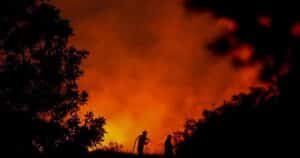
The fires, driven by an El Niño-linked drought that has left forests and peatlands highly flammable, have been burning for months across Kalimantan and Sumatra. Hundreds of thousands of people in the worst-affected provinces have contracted respiratory illnesses, while transboundary haze has degraded air quality in neighbouring countries, including Malaysia and East Timor, where school closures have been reported.
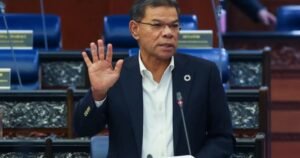
Prabowo appointed army general Kristomei Sianturi as the new head of disaster mitigation agency BNPB, the principal body overseeing firefighting operations. Speaking after his inauguration, Sianturi said he would review available assets and determine what foreign aid could be brought in quickly, adding that he had been tasked with containing the fires “as soon as possible.”
Air Readings Far Exceed Hazardous Levels
Air pollution readings in parts of Central Kalimantan had reached extreme levels by Thursday. The Katingan district recorded an air quality index of nearly 1,600, while the provincial capital Palangka Raya registered close to 1,300 — both far exceeding the internationally recognised “hazardous” threshold of 300.
Thick orange smog darkened Palangka Raya through the week, prompting dozens of residents to stage a protest at the governor’s office, according to local news reports. Adinata, a 46-year-old resident of the city, told Reuters that the sky had turned “very yellow” and that daily activities had been severely disrupted. He said he hoped for rain to ease the situation.
Peatland fires are particularly difficult to suppress because they smoulder slowly beneath the surface, can re-ignite at any time, and produce denser smoke than surface fires.
Malaysia had offered three helicopters and an aircraft to assist Indonesian firefighting efforts the previous month, but an Indonesian official earlier in the week had said the country was “still able to handle” the situation. Sianturi’s remarks on Thursday signalled a possible shift in that position.
Peatland Restoration Named as Long-Term Priority
Prabowo also named Satyawan Pudyatmoko, a forestry ministry official, as chief of a newly established peatland and mangrove restoration body. Pudyatmoko told reporters the agency would prioritise restoring damaged peatland ecosystems and that the president had made clear he did not want further fires.
Peatland protection group Pantau Gambut estimated that 16 million of Indonesia’s 24 million hectares of peatland have been made more fire-prone due to ecosystem damage, including deforestation and the depletion of water tables. A 2024 study by the same group found that only 3% of peatland burned between 2015 and 2019 had been restored to forest, while 54% had been converted into monoculture plantations, predominantly oil palm.
Deputy food minister Hanif Faisol Nurofiq attributed part of the degradation to a food estate project carried out in the 1990s. The government said it planned to drill wells to rewet peatlands and improve water canal management.
Among those affected in Palangka Raya was Thesa, a 19-year-old university student who had been experiencing dizziness from haze exposure and sought supplemental oxygen from a volunteer organisation. She said she and others were being exposed to smoke daily, with little more than a fan in her boarding room to provide relief.