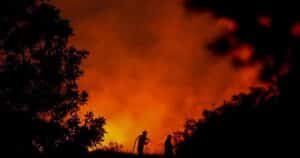
Hurricane Polo Makes Landfall in Mexico: Flooding, Power Cuts, and 7,000 Troops Deployed Across Baja California Sur
Hurricane Polo made landfall in Mexico on September 29, 2026. Category 3 storm with 185 km/h winds causes flooding, power cuts, and deploys 7,000 troops.
SEO Title: Hurricane Polo Mexico | Category 3 Landfall, Baja California Sur
Deck: Hurricane Polo, a Category 3 storm packing sustained winds of 185 km/h, made landfall along Mexico’s Pacific Coast on Monday, September 29, 2026, cutting power to parts of Baja California Sur, breaching coastal sand barriers, and prompting the deployment of nearly 7,000 military troops as 169 shelters opened across the peninsula.
A Category 3 hurricane named Polo slammed into Mexico’s Pacific Coast on Monday, September 29, 2026, battering the southern Baja California peninsula with sustained winds of 185 kilometres per hour and driving seawater through coastal defences before the storm had even reached its projected landfall point. Hurricane Polo is the first hurricane of the 2026 Pacific season to make landfall in Mexico, arriving on a trajectory shaped in large part by a Super El Niño — an extreme version of the recurring El Niño weather pattern — that has caused unprecedented warming across the equatorial Pacific this year.
The US National Hurricane Center (NHC) had forecast the storm to strike the south of Baja California at approximately 4:00 pm local time (2300 GMT), warning of “life-threatening winds and flash flooding now beginning” across Baja California Sur. Authorities ordered residents to take shelter, suspended all maritime activity, and closed beach access along the affected coastline as the storm bore down on communities with little room to retreat.
Hours Before Landfall, Puerto San Carlos Was Already Flooding
With the storm still offshore, conditions in Puerto San Carlos — a fishing port of nearly 6,000 residents in Baja California Sur — had already deteriorated sharply. AFP reporters on the ground observed that the sea had breached several sections of a sand barrier protecting the town, sending water pouring into the streets before official landfall had occurred.
This is not a routine tropical weather event making contact with a prepared coastline. It is, in the assessment of Mexico’s own meteorological chief, a convergence of a strengthening storm system and a supercharged oceanic baseline that has made the entire 2026 Pacific hurricane season more severe than normal. The town’s power supply was cut early. Palm trees along the waterfront swayed violently. Juan Manuel Sarabia, a 53-year-old whale-watching and fishing guide who had boarded up his home’s facade and reinforced it with wooden beams, was direct in his assessment when speaking to AFP: “It’s coming with full force.”
A local police officer, speaking to AFP reporters as he passed through streets where only a handful of homes had been boarded up or sandbagged, said he believed the entire town should have been ordered to evacuate. “Everything is going to flood,” he said.
From Sustained Winds to Storm Surge, Days of Dangerous Conditions Are Now Unfolding
The NHC’s tracking data shows Polo carrying sustained winds of 185 km/h (115 mph) at the time of landfall warnings, with the storm expected to hammer Baja California Sur through Monday before continuing to lash mainland Mexico as a hurricane in the early hours of Tuesday, September 30, before gradually weakening.
Fabian Vazquez, head of Mexico’s national meteorological service, warned that storm surges combined with heavy rainfall could cause “very severe” damage across the region. In response, authorities opened 169 emergency shelters across Baja California Sur. The military deployed nearly 7,000 troops to the state. School classes were suspended, and public servants were ordered to work from home where possible. Laura Velazquez, Mexico’s National Coordinator of Civil Protection, confirmed the suspension of all maritime activities and beach access across the affected zone.
Residents made individual choices about whether to comply with shelter recommendations. At a high school near the sea in Puerto San Carlos, 57-year-old shopkeeper Maria Palomino arrived prepared to ride out the storm on a mattress on the floor. “If something happens, it’s better to come to the shelter,” she told AFP. “We’ll be among people we know.” Others, like Margarita Diaz and her family, opted to stay home — their windows sealed with blue masking tape. “It will be tough, but I have faith in God,” Diaz said.
Behind the Category 3 Rating Is a Season Shaped by Super El Niño
The real story of Hurricane Polo is not simply the storm itself, but the atmospheric and oceanic conditions that produced it. The 2026 Pacific hurricane season has been defined by a Super El Niño — a more extreme manifestation of the cyclical El Niño phenomenon — that raises surface temperatures in the central and eastern Pacific Ocean and triggers cascading changes in wind patterns and rainfall across global weather systems. That elevated oceanic heat has provided Polo with the energy to intensify into the first landfalling hurricane of the season.
Vazquez’s meteorological service is already tracking a second system: Rachel, a tropical storm also developing in the Pacific off Mexico’s coast. Rachel currently holds the potential to strengthen into a hurricane. “It will move parallel to the coast of Mexico all week,” Vazquez told reporters, “but right towards the weekend it could also start moving towards Baja California Sur.” The possibility of back-to-back major systems striking the same peninsula within days of each other represents a scenario emergency managers are now actively monitoring. The strategic challenge shifts from managing a single event to sustaining a multi-week emergency response posture across a state still absorbing the impact of Polo.
Baja California Sur’s Coastal Geography Places Its Communities Directly in the Storm’s Path
The geography of the Baja California peninsula is itself a factor in the severity of the threat. Puerto San Carlos and the surrounding communities in Baja California Sur sit on a narrow strip of Pacific coastline with limited natural elevation, making storm surge — not just wind — the primary destructive force in play. The NHC’s warning of “life-threatening flash flooding” was directed specifically at this landscape.
Sourcing from NHC tracking data projects the storm’s core impact zone as centred on the southern peninsula, with the official external warning stating sustained winds of 185 km/h at landfall and life-threatening conditions already in progress before the storm’s eye reached shore. Mexico’s civil protection infrastructure — 169 shelters opened, 7,000 troops deployed, maritime activities suspended — reflects the scale of the state’s commitment to managing the event, though ground-level reporting from AFP correspondents suggests community compliance with evacuation guidance was uneven. What remains to be assessed at time of writing is the full extent of infrastructure damage, particularly to the power grid serving communities across Baja California Sur.
Frequently Asked Questions About Hurricane Polo in Mexico
Where did Hurricane Polo make landfall? Hurricane Polo made landfall on the southern Baja California peninsula in Mexico, with the small fishing port of Puerto San Carlos in Baja California Sur lying directly in its path. The US National Hurricane Center projected landfall at approximately 4:00 pm local time (2300 GMT) on Monday, September 29, 2026.
What category is Hurricane Polo? Hurricane Polo is a Category 3 hurricane, carrying sustained winds of 185 kilometres per hour (115 mph) at the time of landfall, according to data from the US National Hurricane Center.
What is causing Hurricane Polo to be so intense? Hurricane Polo’s intensity is attributed in part to Super El Niño, an extreme version of the recurring El Niño weather pattern that has caused unprecedented warming of the equatorial Pacific Ocean in 2026, providing storms with elevated energy and fuelling a more severe-than-normal Pacific hurricane season.
How many shelters have been opened in Baja California Sur? Mexican authorities opened 169 emergency shelters across Baja California Sur ahead of Hurricane Polo’s landfall on September 29, 2026, to accommodate residents who evacuated or sought refuge from the storm.
How many troops has Mexico deployed in response to Hurricane Polo? The Mexican military deployed nearly 7,000 troops to Baja California Sur in response to Hurricane Polo, alongside the suspension of school classes and an order for public servants to work from home where possible.
Is there another storm following Hurricane Polo? Yes. Meteorologists are monitoring Tropical Storm Rachel, a separate system also developing in the Pacific off Mexico’s coast. Fabian Vazquez, head of Mexico’s meteorological service, stated on September 29 that Rachel could begin moving toward Baja California Sur by the weekend and has the potential to strengthen into a hurricane.
What damage has Hurricane Polo caused so far? Ahead of official landfall on September 29, 2026, Hurricane Polo had already caused power cuts across parts of Baja California Sur and driven seawater through coastal sand barriers into the streets of Puerto San Carlos. Mexico’s meteorological chief warned that storm surges and heavy rain could cause “very severe” damage, though full damage assessments were not yet available at time of reporting.
Hurricane Polo Arrives as Mexico Faces a Prolonged Season of Pacific Storm Risk
Hurricane Polo’s arrival as the first landfalling storm of the 2026 Pacific season — supercharged by Super El Niño conditions, capable of causing life-threatening storm surge along a low-lying Pacific coastline, and followed closely by a second developing system in Tropical Storm Rachel — marks a significant and ongoing emergency for Baja California Sur and potentially for mainland Mexico in the days ahead. With 7,000 troops deployed, 169 shelters open, and maritime activities suspended as of September 29, 2026, Mexico’s emergency response infrastructure is fully engaged. The question of how communities without full evacuation compliance fare through the storm’s passage remains the immediate concern for civil protection authorities.
For continued updates on Hurricane Polo in Mexico and developing conditions across the Pacific, readers are encouraged to follow official bulletins from:
- US National Hurricane Center: nhc.noaa.gov
- Mexico’s National Meteorological Service (SMN): smn.conagua.gob.mx
- Mexico’s National Civil Protection Coordinator (CNPC): Available through official government channels at gob.mx
Residents in affected areas should monitor state emergency broadcasts, comply with official shelter directives, and follow updates from local civil protection authorities in Baja California Sur for real-time guidance.