
Stop losing profit to taxes and poor industrial logistics
The decisive variable in industrial relocation is no longer cost alone. PIH shows what energy, logistics, and policy convergence looks like at ground level.
Position your business at Pengerang Industrial Hub to leverage MIDA tax breaks and direct Petronas RAPID supply chains
Every industrial cycle has a geography. In the 1980s, it was the Pearl River Delta. In the 2000s, Vietnam’s coastal corridors. Today, if you are serious about where Southeast Asia’s next manufacturing concentration is forming, the answer increasingly points to a 4-kilometre strip of coastline in southeastern Johor — and specifically, to Pengerang Industrial Hub. This is not hype. It is the logical conclusion of three converging forces: energy infrastructure at scale, cross-border economic integration, and a policy environment engineered for long-term industrial commitment.
🔴 Quick Read
Why Location Is Strategy, Not Just Geography
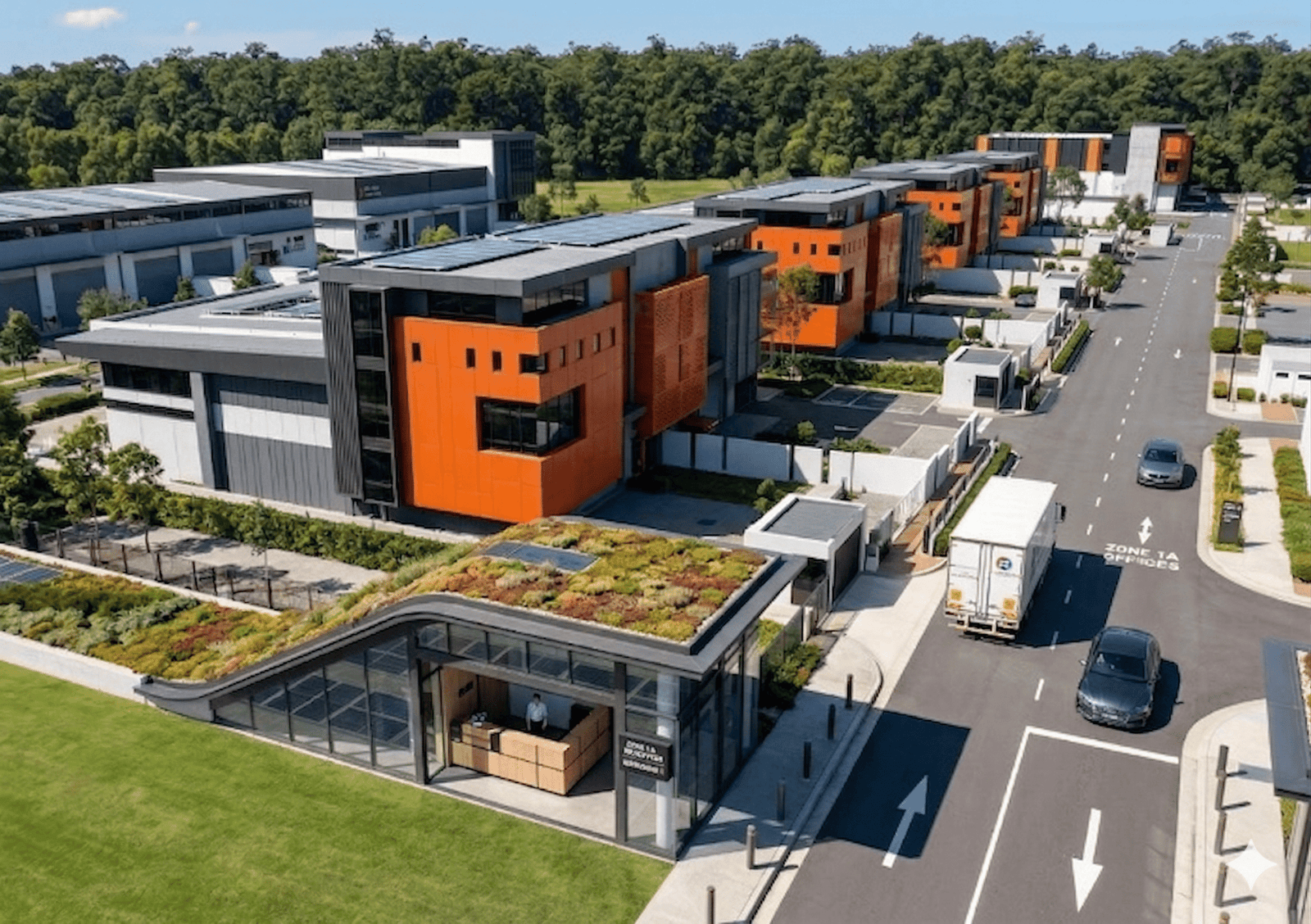
Too many companies still treat site selection as a logistics exercise. The most successful industrial operators understand it differently — as a strategic positioning decision that compounds over decades.
By that measure, PIH’s location deserves serious attention. Sitting 4 kilometres from the USD 27 billion Petronas RAPID complex, it places downstream petrochemical operators inside the supply chain rather than adjacent to it. The difference between a 4-kilometre feedstock run and a 400-kilometre one is not just cost — it is responsiveness, inventory discipline, and production agility. In an era where supply chain resilience has become a boardroom priority, that proximity is a durable structural advantage.
Simultaneously, PIH’s connectivity to Johor Bahru, Johor Port, and the deep-water MOLF jetties at Teluk Ramunia and Tanjung Setapa creates a land-sea intermodal capability that most industrial parks simply cannot replicate. Add Singapore’s financial and trade infrastructure within reach, and the operating model becomes clear: the cost base of Malaysia, the market access of a global city-state.g utilities, Pengerang Industrial Hub(PIH) offers a clean slate designed for the next wave of industrial investment.
| Comparison Metric | Traditional Industrial Parks | Pengerang Industrial Hub (PIH) |
|---|---|---|
| Clear Height | Typically 9 – 12 meters | Up to 13 – 15 meters (High-density stacking) |
| Floor Loading | Approx. 10 – 20 kN/sqm | 50 kN/sqm (Heavy machinery ready) |
| Road Width | Generally 20 – 24 meters | 30-meter wide main roads (Heavy truck friendly) |
A 50 kN/sqm floor loading specification — against the conventional 10 to 20 — is not a marginal upgrade. It signals a deliberate design philosophy: build for the heaviest realistic use case, not the average one. The same logic applies to the 15-metre clear height and 30-metre internal road widths. These are not amenities. They are operational prerequisites for the precision manufacturers, petrochemical processors, and industrial service providers that PIH is genuinely engineered to host.
The Sector Mix Tells You Where This Is Headed
PIH’s target industries — downstream petrochemicals, advanced manufacturing, industrial services, and clean energy technology — are not arbitrary. They reflect a coherent industrial cluster thesis built around RAPID’s output, the region’s energy transition obligations, and the global reshoring of critical manufacturing capacity.
The companies winning over the next decade will be those that secured anchor positions in clusters like this before they were obvious. That window, at PIH, is 2026.
🧐 Did You Know?
The nearby MOLF-designated jetties are specifically engineered to handle “Project Cargo”—ultra-heavy and oversized industrial modules. This allows PIH tenants to move massive equipment directly from global shipping lanes to their site, completely bypassing the height and weight restrictions of standard public road networks.
Policy as a Competitive Moat
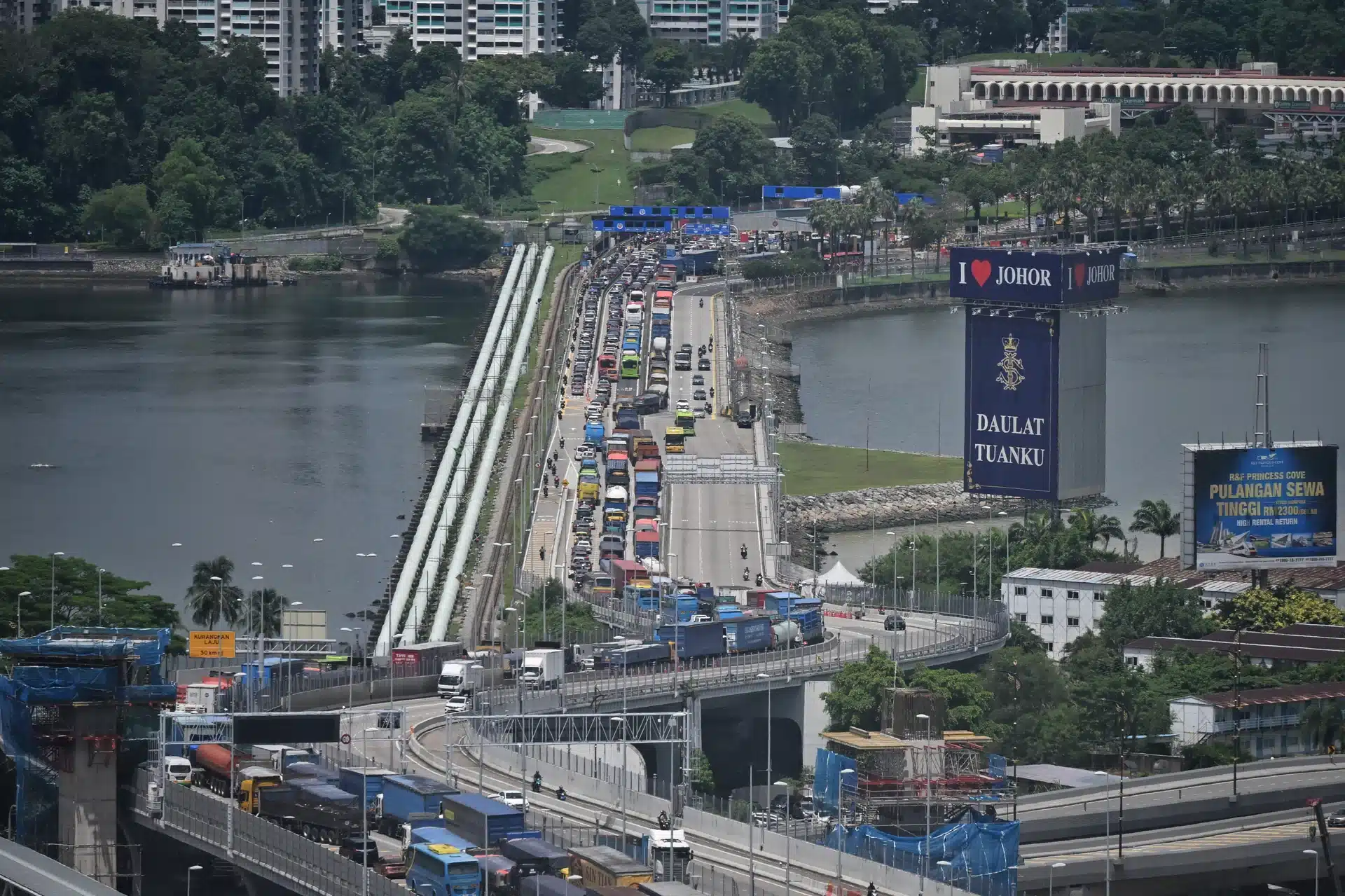
JS-SEZ designation transforms PIH from a well-located industrial park into a structurally advantaged operating environment. The framework — a 5% preferential corporate tax rate for up to 15 years or a 100% Investment Tax Allowance, combined with a flat 15% personal income tax for qualifying technical talent — is not incidental government generosity. It is a deliberate national strategy to establish Johor as a serious competitor for the manufacturing investment flows currently circulating across Southeast Asia.
The IMFC-J Fast-Track service further compresses the approval-to-production timeline — because speed of commissioning is itself a competitive advantage in a market where every quarter of delayed production has a measurable cost.
Industrial phase construction begins October 2026. The leaders in any industrial cluster are rarely the ones who arrived after it was proven. They are the ones who read the fundamentals early — and acted accordingly.